Technical Due Diligence for a Global Trading Company

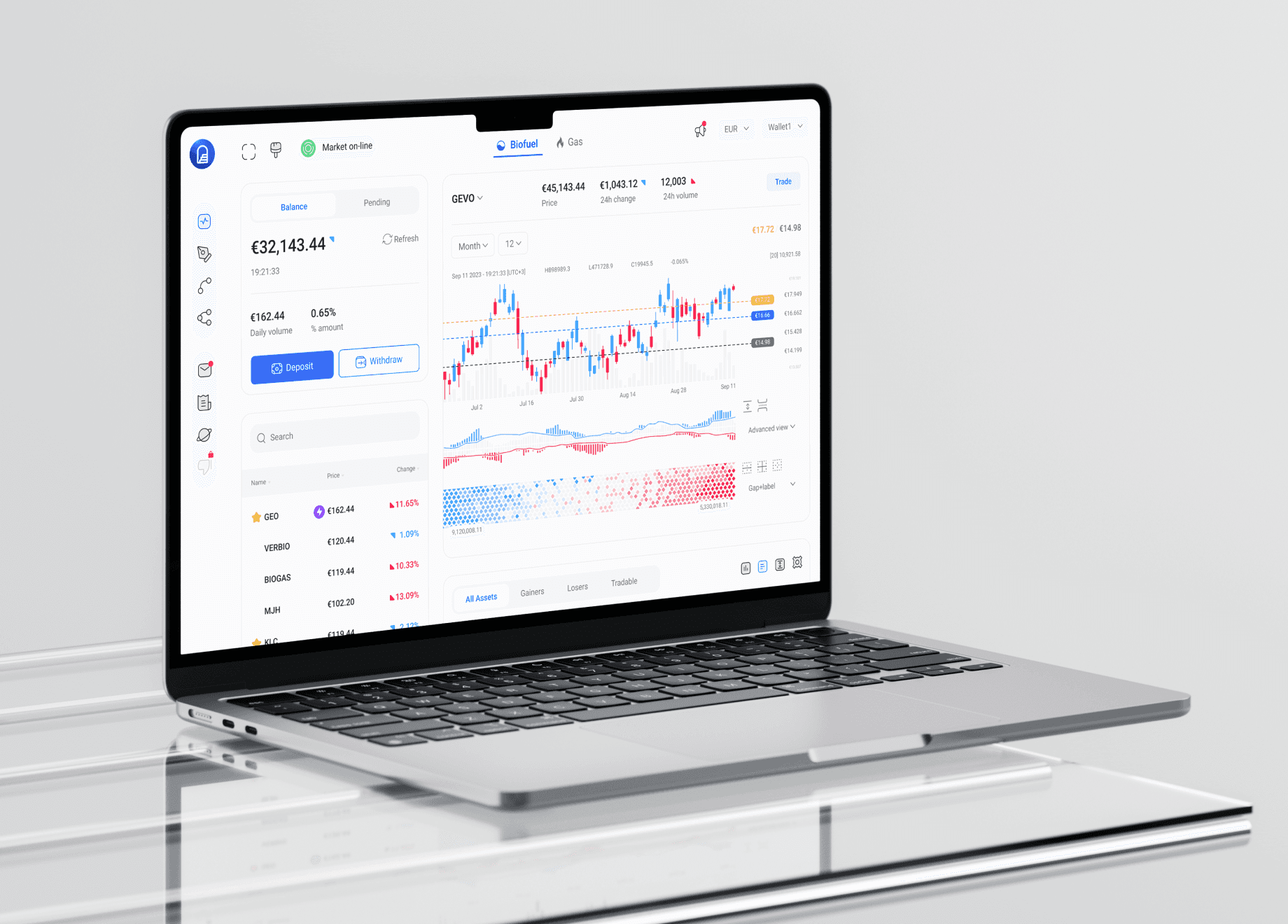
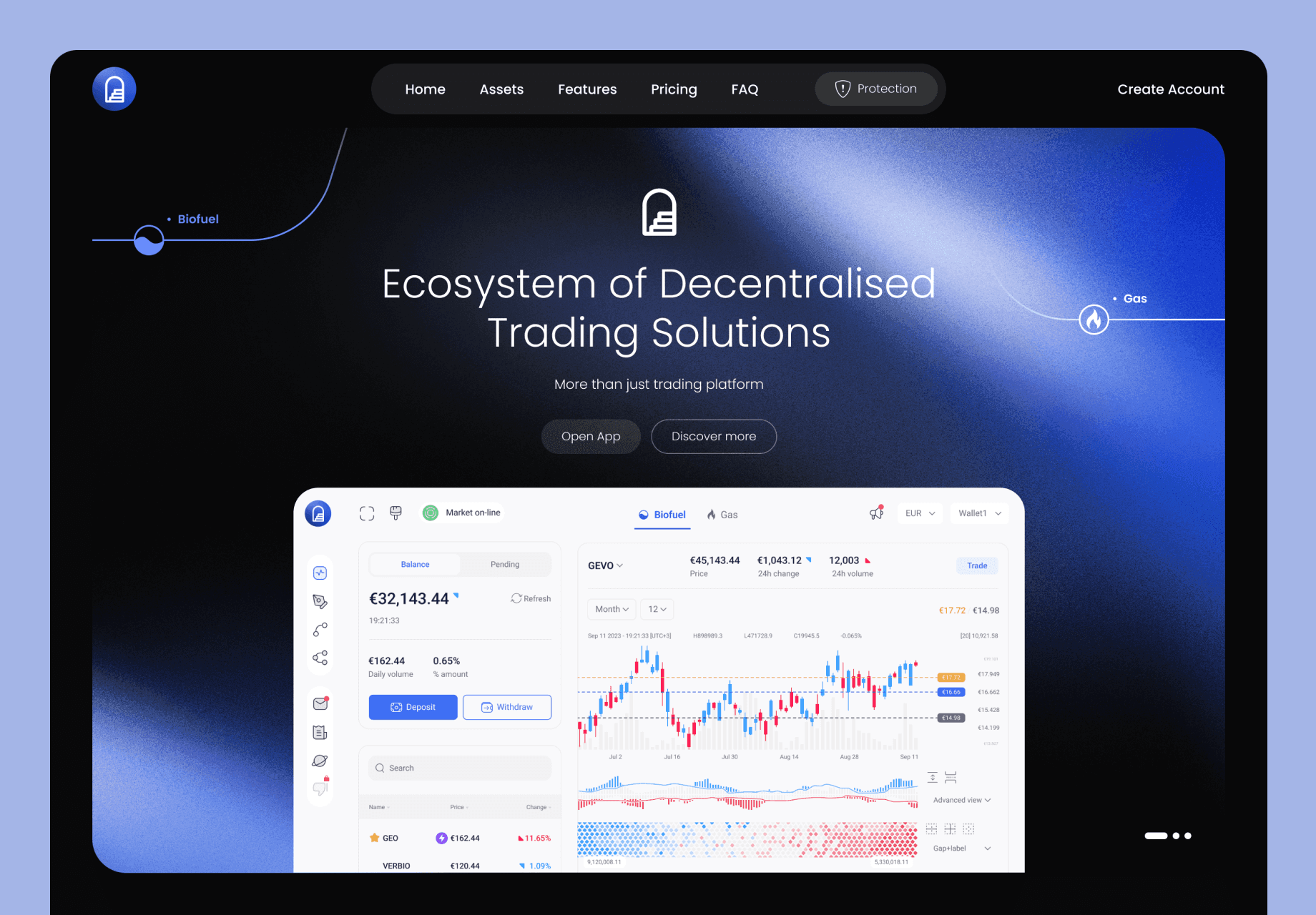
We have conducted technical due diligence on an ecosystem of decentralised trading solutions under consideration for acquisition by a global trading company.
Technical Due Diligence for a Global Trading Company
About the client
Our client is an internationally recognised commodity trading company headquartered in Mauritius. Specialising in a wide range of sectors, they engage in the global sourcing and trading of energy commodities, perishable goods, and real estate. The company operates extensively in regions like Spain, the UK, Dubai, Turkey, Brazil, Mexico, and Malaysia. Their main activities include trading energy resources such as crude oil, natural gas, and biofuels, alongside perishable items like fruits, vegetables, and meat products. The company places significant emphasis on due diligence and buyer/seller facilitation, ensuring all transactions involve pre-qualified and trustworthy partners. Sustainability and responsible trading practices are core values for the company, as they aim to maintain high standards of operational excellence and make a positive impact on the global market.
Location:
Mauritius
Domain:
Trading, Tech Due Diligence
Content
  • 01Challenges
  • 02Our Approach
  • 03Our Findings
  • 04Outcomes
Challenges 2
Challenges
A global trading company was considering the acquisition of a complex ecosystem of decentralised trading solutions. To make an informed decision, they needed comprehensive technical due diligence to ensure that the solutions were not only robust and scalable but also aligned with their strategic goals.
The main goals of the TDD:
  • Conduct a high-level solutions architecture and code review;

  • Assess the completeness of each product at a high level;

  • Analyse accompanying documentation and development processes;

  • Trace the development history, evaluate the current state of the solutions, and map out future development plans;

  • Evaluate the expertise and proficiency of the development team.

Approach
Our Approach
To ensure a thorough and insightful assessment, we brought together a dedicated team of experts for the technical due diligence process. This included a Solution Architect with expertise in crypto exchanges and blockchain, a Project Manager/Business Analyst for precise documentation and analysis, and DeepInspire CEO as a Tech Advisor to bring a strategic perspective. Additionally, we included a Lead Back-end Developer to evaluate code structure and scalability, and a Lead Front-end Developer to review user-facing aspects and functionality.
Expert
Time
Experts:

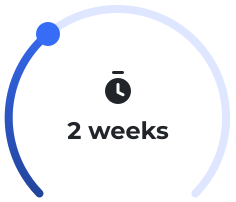
This 5-member team dedicated 2 weeks to assess the decentralised trading solutions in depth, focusing on architecture, scalability, team proficiency, and alignment with the client’s strategic goals.

  • Solution Architect (with Crypto & Blockchain expertise)
  • Lead Back-end Developer
  • Lead Front-end Developer
  • Project Manager/Business Analyst
  • DeepInspire CEO as a Tech Advisor
Our Findings

We focused on helping the client assess the solutions’ potential to ensure that the acquisition would deliver long-term value.

Let’s explore the main areas we reviewed and our key findings:
Scalability and architecture
What we reviewed
  • Code structure and architecture of each product.
  • Ability to handle increased user loads and scale efficiently.
  • Suitability of current technologies for long-term operational needs.
Findings
The decentralised trading solutions show potential but would require significant optimisation to achieve scalability for large-scale production. One solution stands out as a promising prototype with a solid foundation but needs further development to reach production readiness. The codebase would benefit from refactoring to support scalability and reduce reliance on specific contributors for its ongoing maintenance and growth.
Development practices and team expertise
What we reviewed
  • Development methodologies and processes.
  • Skills and experience of the development team.
  • Workflow and collaboration tools.
Findings
The solutions have been developed with a lean, hands-on approach, reflecting a strong individual effort. However, reliance on a single developer introduces challenges in scalability and maintainability. This solo-developer approach presents significant risks, including potential bottlenecks in development, challenges in maintaining and scaling the products, and difficulties in integrating the solutions into a larger organisational framework.
Dependencies on third-party services
What we reviewed
  • Use of third-party libraries, APIs, and services.
  • Service-level agreements and cost structures of external services.
  • Risk factors associated with reliance on external providers.
Findings
The reliance on third-party services with free plans raises concerns about the systems ability to handle significant user growth without running into unexpected costs or service limits. This dependency could affect the products ability to grow and succeed in the long run.
Documentation and knowledge sharing
What we reviewed
  • Availability and completeness of system documentation.
  • Clarity of architecture diagrams and design decisions.
  • Accessibility of knowledge for future developers or stakeholders.
Findings
Documentation is currently limited, with no comprehensive project overviews or architectural diagrams. This creates potential bottlenecks for future development, as understanding the systems would heavily depend on the original developer. Improving documentation and knowledge-sharing practices will help mitigate risks, reduce onboarding time for new team members, and enable seamless integration into a larger organisational framework.
Outcomes
The technical due diligence revealed important insights into the strengths and weaknesses of the decentralised trading solutions being considered for acquisition by our client. Although the technologies showed potential, they were not yet ready for large-scale production or to be integrated into the client’s operations without major reengineering and development work. These findings highlighted the need for a thorough tech due diligence to manage risks and make sure that strategic acquisitions provide lasting value. The client was advised to proceed with caution, possibly conducting further evaluations and considering alternative solutions that might better fit their strategic goals and operational needs.
The technical due diligence
The technical due diligence provided valuable insights into the strengths and weaknesses of the solutions being considered for acquisition by our client.
Case studiesView all